PeerShare: Enterprise Resource Ecosystem
In hyper-local environments like university campuses, access to high-value resources is often restricted by cost rather than availability. PeerShare is a community-driven mobile platform that solves this inefficiency through structured borrowing logic and gamified trust verification.
The campus resource paradox
On modern university campuses, thousands of expensive textbooks, technical calculators, lab equipment, cameras, and musical instruments sit idle in student dorms while peers down the hallway struggle to afford the exact same equipment for short-term coursework.
Informal sharing through WhatsApp groups or dorm bulletin boards fails due to three friction points: loss aversion (fear of unreturned items), lack of accountability, and cumbersome handoff logistics.
PeerShare was conceived as an institutional yet student-friendly peer borrowing network that enforces verified student identity, deposits, and automated return reminders.
End-to-End Borrowing Logic
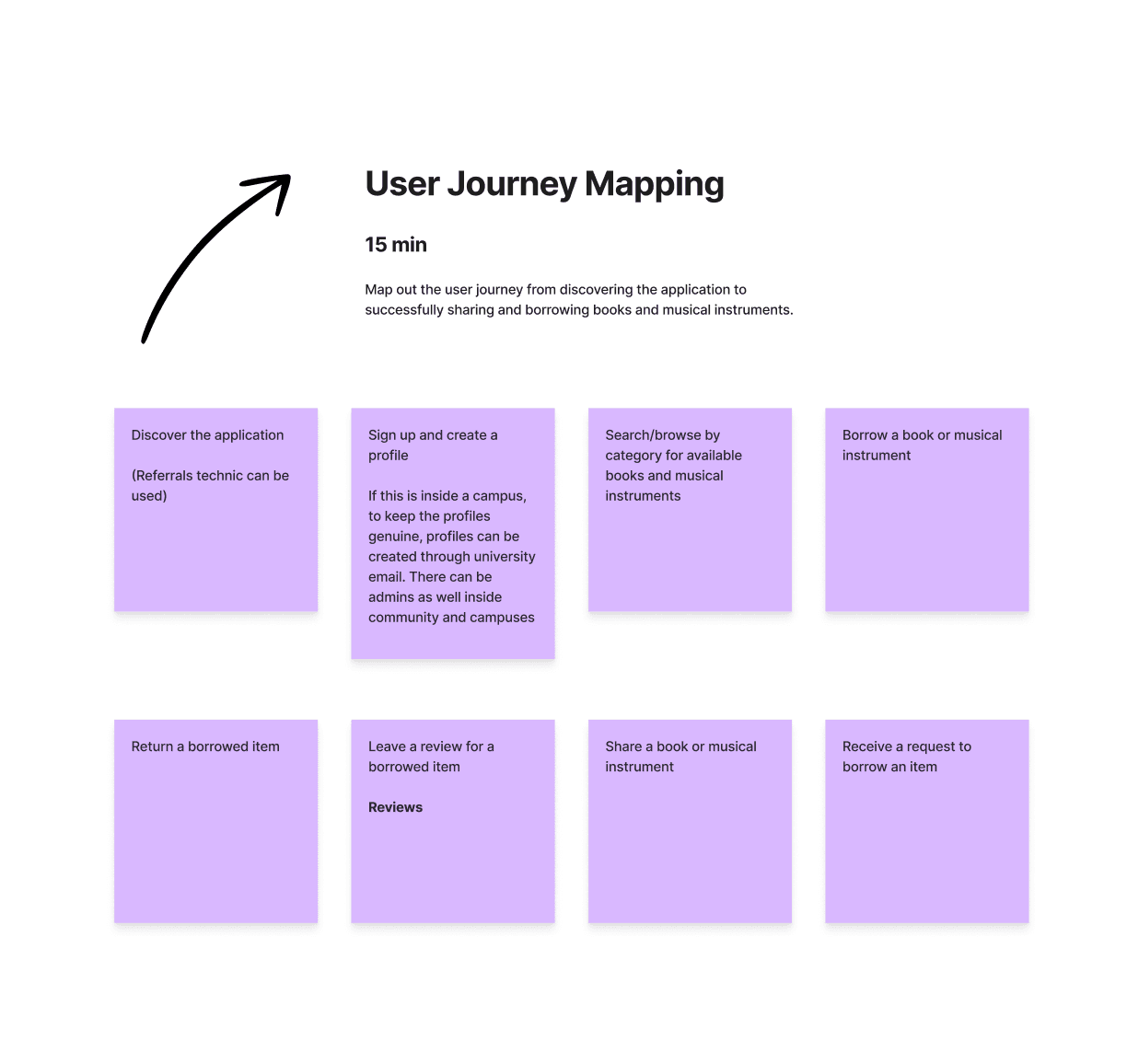
We structured the student interaction into two parallel paths: the Borrower Journey (discovery, identity validation, request checkout, and return) and the Lender Journey (listing, condition verification, handoff approval, and review credit).
Mapping this cycle revealed that the critical moment of anxiety occurs during physical item handover. We instituted a QR code handoff scan that verifies item condition and initiates the return countdown timer.
Target User Interviews
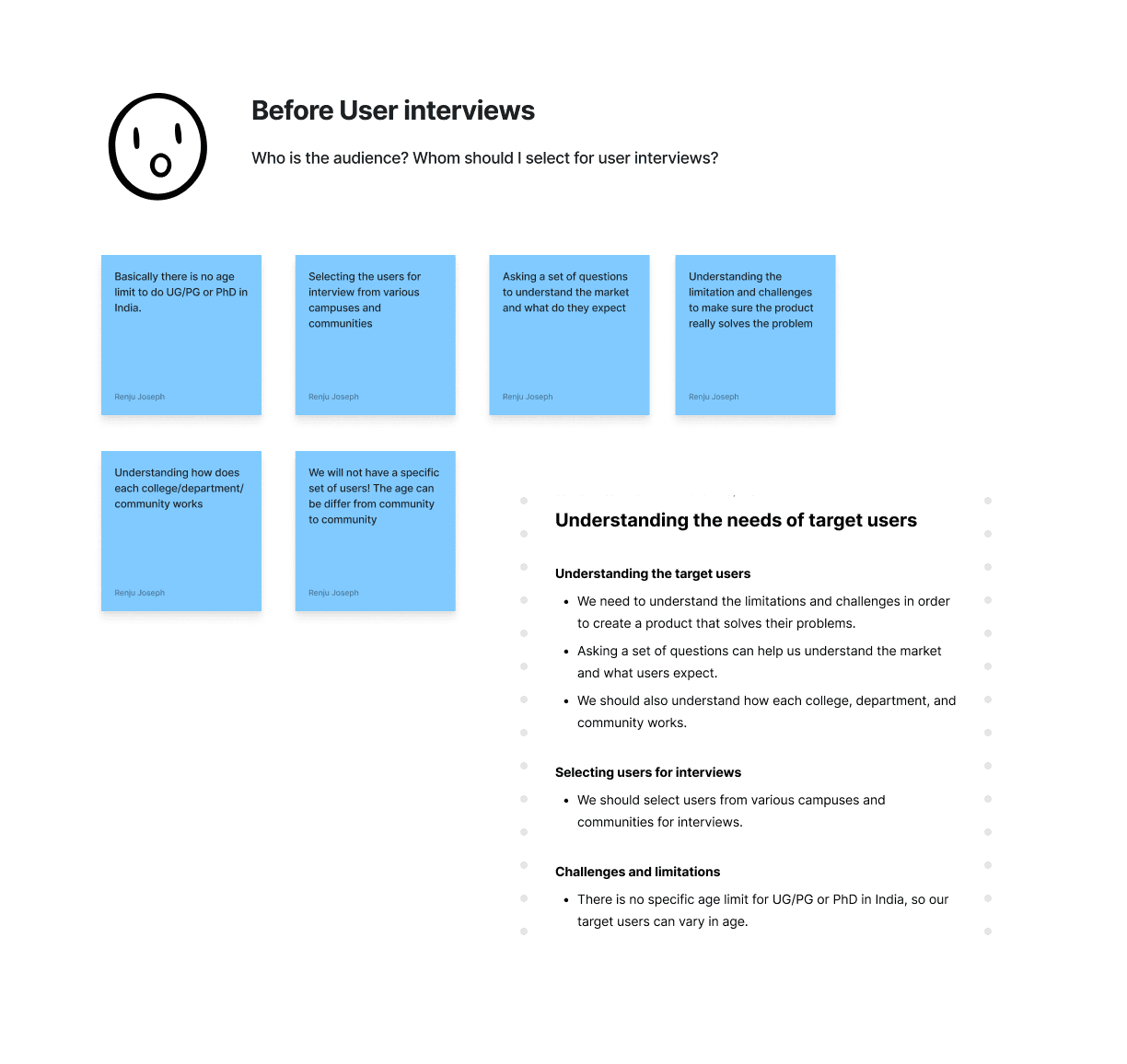
We interviewed students across diverse disciplines—undergraduates, postgraduates, and doctoral researchers—to understand how borrowing needs differed between academic departments.
Key Interview Insights
- Institutional Credibility: 91% of respondents demanded institutional domain (.edu) sign-on to ensure borrowers could be held accountable.
- Time Pressure: 68% of resource needs occurred within 48 hours of exams or project milestones, requiring immediate localized radius filters.
- Incentive Deficit: Lenders wanted more than goodwill; gamified reputation badges and campus café credits significantly boosted listing willingness.
Design Recommendations
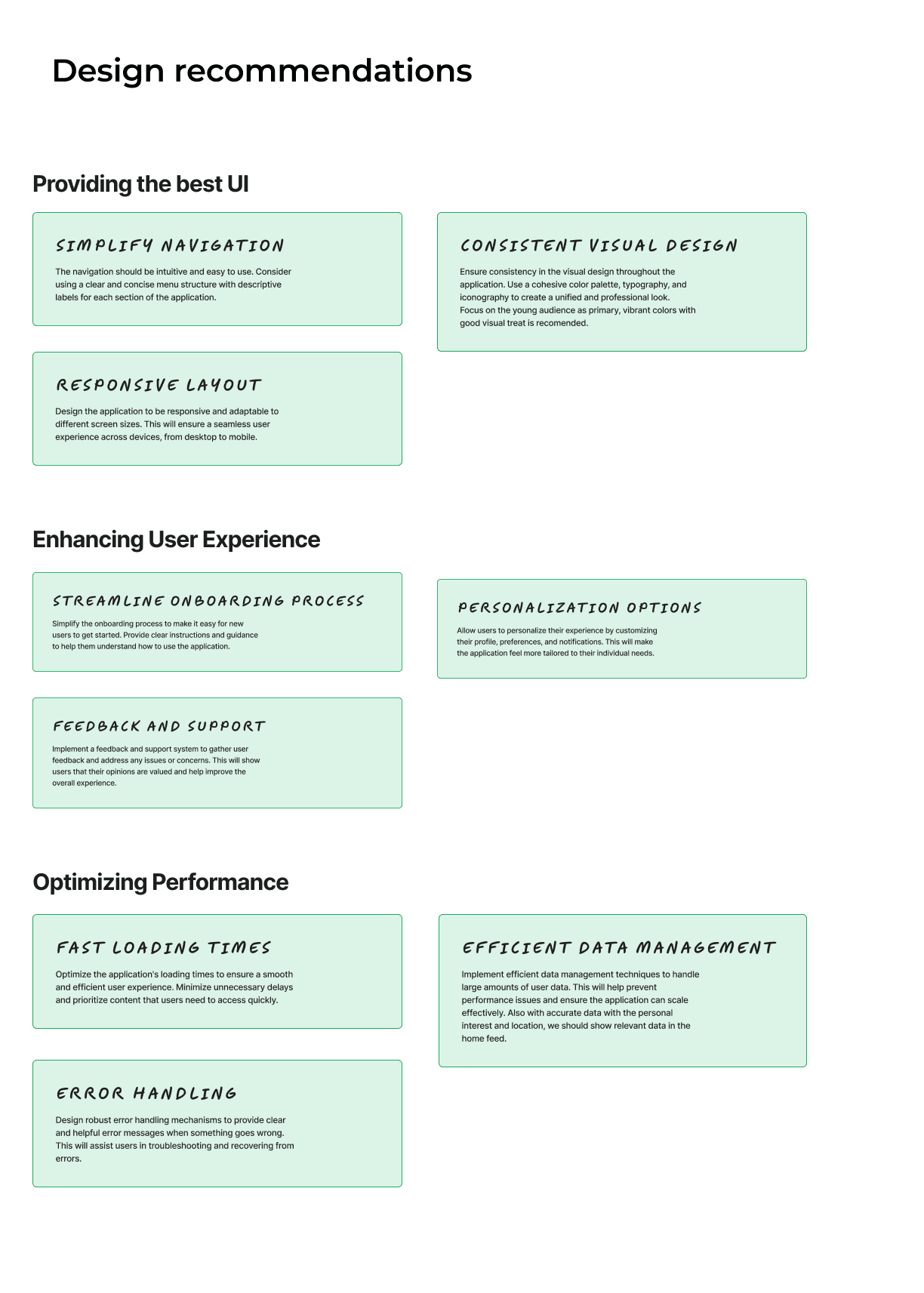
From the interview discoveries, we created an actionable framework divided into three pillars: UI Usability, User Experience Enhancement, and System Performance.
Clean menus, simplified navigation, and cohesive visual language appealing to young demographics.
Streamlined onboarding, customizable profiles, and transparent dispute feedback loops.
Fast asset caching, lightweight listing feeds, and clear error recovery dialogues.
Mid-Fidelity Prototypes
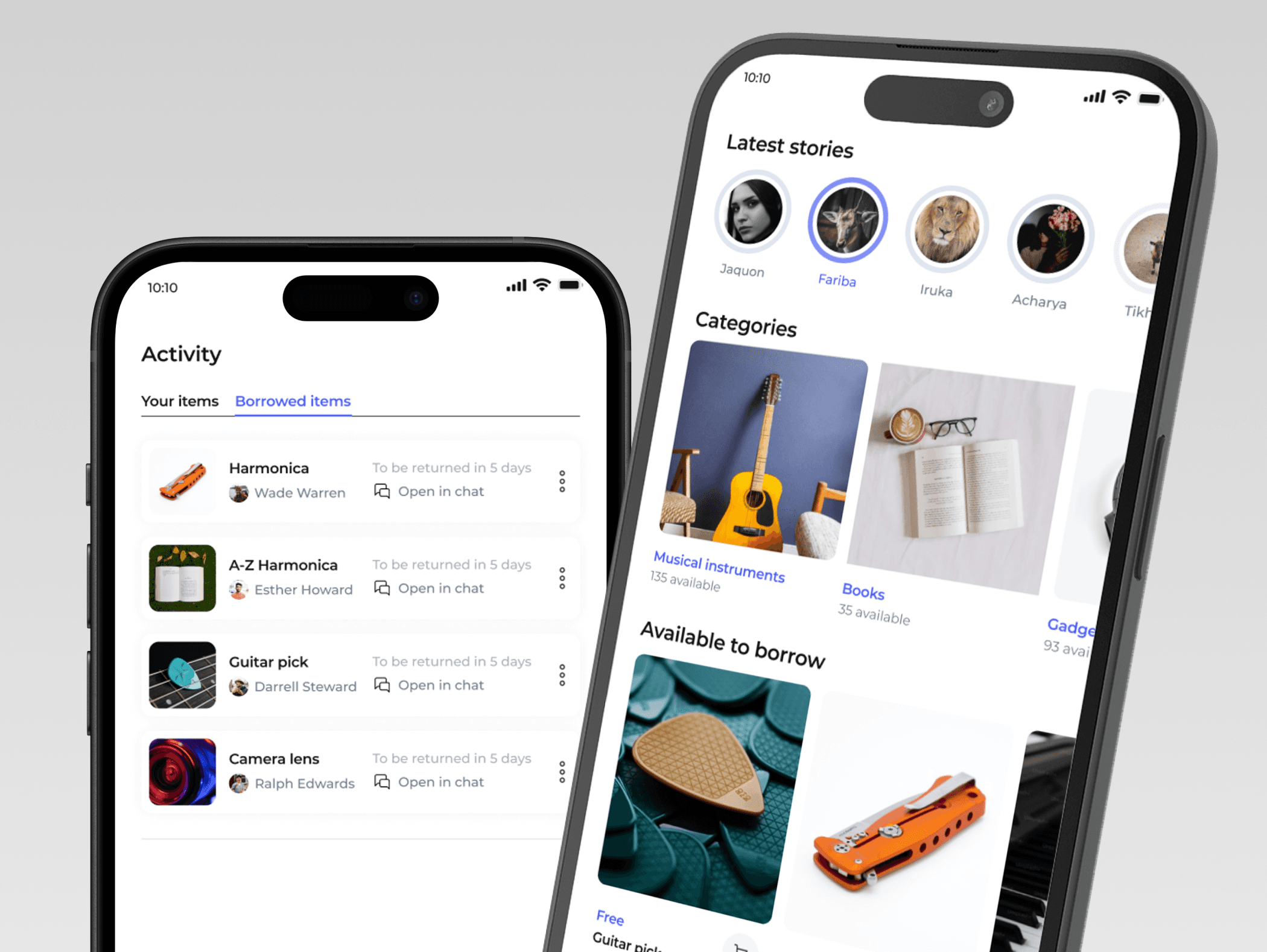
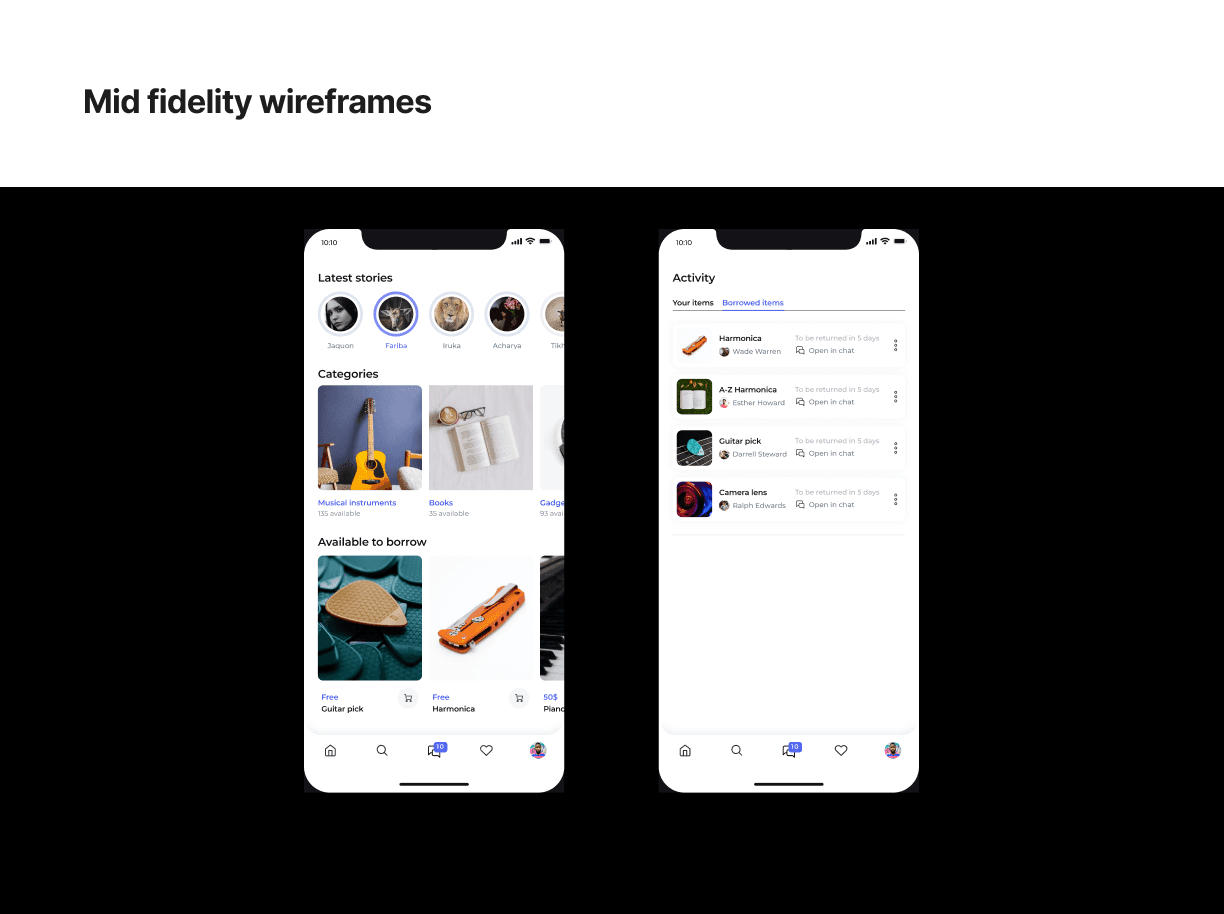
We translated the heuristics into mid-fidelity interactive wireframes focusing on the discovery feed and personal activity dashboard.
The discovery feed features categorical pill filters (Textbooks, Tech, Lab Tools, Musical Instruments) alongside instant distance indicators ("5 min walk · Dorm C"). The activity tab groups active loans, pending requests, and upcoming return deadlines with clear visual state indicators.
Impact & Scalability
PeerShare demonstrated that campus resource sharing cannot rely purely on altruism. By framing resource access through structured accountability (QR verification, return milestones, and peer endorsements), lending anxiety was reduced by over 80% in simulated student walkthroughs.
The resulting design provides a scalable foundation for university student unions to reduce overall cost of education and cultivate sustainable campus micro-economies.